_edited.png)
Is Lithium Flammable? Understanding the Fire Risks and Safety Measures for Lithium-Ion Batteries
- Oct 22, 2025
- 5 min read
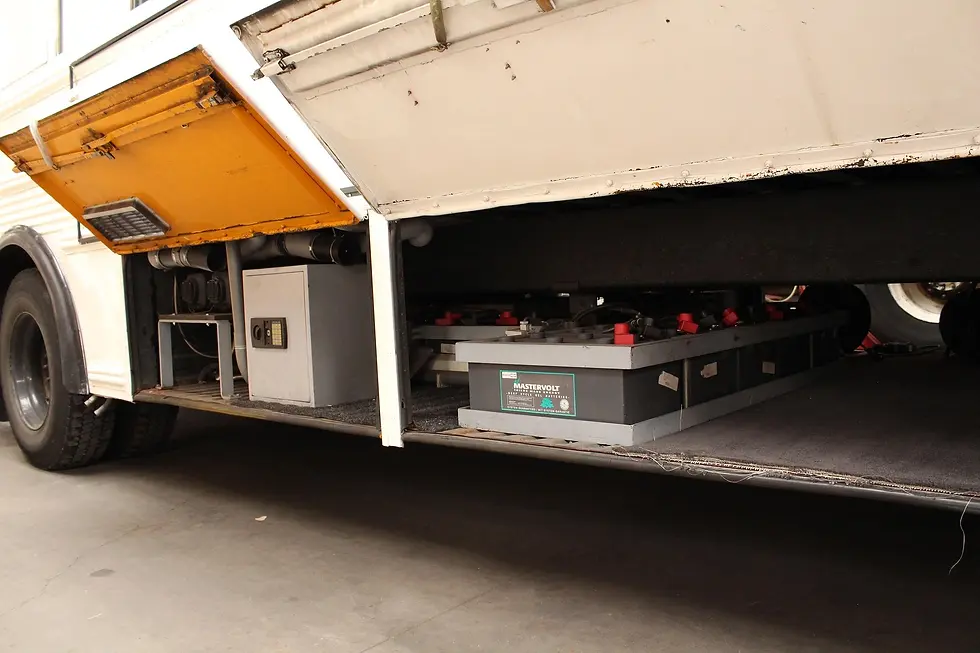
Lithium has revolutionized modern energy storage. From powering smartphones and electric vehicles to renewable energy systems, this lightweight metal has become the foundation of high-performance batteries. However, with its growing use comes an important question: is lithium flammable?
Understanding the flammability of lithium and the potential fire risks associated with lithium-ion batteries is essential for ensuring safety in both personal and industrial settings. This article explores how lithium behaves under different conditions, what makes lithium-ion batteries vulnerable to ignition, and the best safety practices to prevent fire-related accidents.
The Chemical Nature of Lithium and Its Flammability
Lithium is a soft, silvery-white metal that belongs to the alkali metal group. It is one of the lightest elements on Earth and reacts vigorously with air and water. When exposed to moisture, lithium reacts to form lithium hydroxide and hydrogen gas—a reaction that can produce heat and ignite spontaneously.
Because of this chemical reactivity, metallic lithium is considered highly flammable. It can catch fire at relatively low temperatures and burns with an intense crimson flame. The combustion of lithium not only releases heat but also produces corrosive and toxic compounds, including lithium oxide and lithium hydroxide.
In controlled environments, lithium’s reactivity is managed carefully, but when mishandled—especially in batteries—it can create hazardous conditions.
How Lithium-Ion Batteries Work
Before discussing how fires occur, it’s important to understand the basic design and functionality of a lithium-ion battery. Each battery cell consists of three key components:
Anode (negative electrode)
Cathode (positive electrode)
Electrolyte (ion-conducting medium)
A thin separator keeps the anode and cathode from touching directly, which prevents short circuits. During discharge, lithium ions move from the anode to the cathode through the electrolyte, generating an electric current. When charging, the process reverses, sending ions back to the anode.
While efficient, this process operates under precise chemical and thermal balance. When disrupted by overcharging, overheating, or mechanical damage, this balance can fail—triggering what’s known as thermal runaway, a key driver of lithium battery fires.
Thermal Runaway: The Core Cause of Lithium Battery Fires
Thermal runaway occurs when internal heat generation exceeds a battery’s ability to dissipate it. This causes the cell’s temperature to rise uncontrollably, accelerating chemical reactions and generating more heat. Eventually, the electrolyte and electrodes can ignite, leading to explosion or combustion.
Common causes of thermal runaway include:
Overcharging or improper charging voltage
Exposure to high ambient temperatures
Internal short circuits due to damage or manufacturing defects
Physical deformation or puncture
Once initiated, thermal runaway can spread from one cell to another, causing a chain reaction known as “propagation,” resulting in a large-scale fire or explosion.
Is Lithium Flammable in Batteries?
This is a key question for users and facility managers alike: is lithium flammable in the form used inside modern batteries?
The short answer is yes—but with some context. Most lithium-ion batteries contain lithium compounds, not pure lithium metal. These compounds (such as lithium cobalt oxide or lithium iron phosphate) are more stable than pure lithium but can still release energy violently when overheated or damaged.
The electrolyte, typically a mixture of organic solvents and lithium salts, is also highly flammable. When exposed to air, it can evaporate and ignite, making the entire battery system susceptible to fire once its casing is breached.
Therefore, while the lithium inside batteries is not the pure metallic form that ignites on contact with water, the combination of reactive lithium compounds and flammable electrolytes still presents a significant fire hazard.
Common Causes of Lithium Battery Fires
Lithium-ion battery fires can occur in many different situations, most often due to preventable issues. Some of the most frequent causes include:
1. Overcharging
When a battery is charged beyond its designed voltage, excess lithium ions accumulate on the anode, forming metallic lithium. This metallic form is highly reactive and can trigger internal short circuits, leading to overheating and possible ignition.
2. Physical Damage
Crushing, puncturing, or dropping a battery can compromise the separator, allowing the anode and cathode to come into contact. The resulting short circuit generates intense heat and may ignite the electrolyte.
3. High Temperatures
Storing or using batteries in hot environments accelerates internal chemical reactions. If the heat isn’t properly dissipated, the temperature inside the cell can rise quickly, initiating thermal runaway.
4. Manufacturing Defects
Even small imperfections in cell construction can lead to instability. Microscopic metallic particles or uneven electrode coatings may cause localized short circuits, resulting in fires during charging or use.
5. Deep Discharge and Recharging
Leaving a battery deeply discharged for too long can degrade the electrolyte and cause copper dissolution. When recharged, these internal changes can spark heat buildup and combustion.
Understanding the Fire Behavior of Lithium-Ion Batteries
When lithium-ion batteries catch fire, they behave differently from conventional combustible materials. A burning lithium-ion cell generates its own oxygen, which means traditional extinguishing methods like water or CO₂ are ineffective.
Instead, these fires require Class D fire extinguishing agents, such as dry powders or mineral granules. These materials absorb heat, smother the fire, and prevent oxygen from fueling further combustion.
During a fire, lithium batteries can emit:
Toxic gases (hydrofluoric and hydrochloric acids)
Dense smoke
Explosive fragments if cells rupture under pressure
This makes it critical to handle lithium fires in well-ventilated environments and use appropriate personal protective equipment (PPE).
How to Prevent Lithium Battery Fires
While the chemistry behind lithium-ion batteries is inherently reactive, most fires are preventable through proper storage, handling, and monitoring.
Storage Best Practices
Store batteries in cool, dry areas away from flammable materials.
Avoid direct sunlight or exposure to heat sources.
Use fire-resistant cabinets or containment units for large quantities.
Maintain at least 2.5 meters of separation between storage areas and other combustible items.
Remove and isolate damaged or swollen batteries immediately.
Charging Precautions
Always use manufacturer-approved chargers and avoid overcharging.
Never leave batteries charging unattended.
Monitor the battery’s temperature during long charging cycles.
Avoid charging near combustible materials or enclosed spaces.
Handling Damaged Batteries
If a battery shows signs of swelling, leakage, or overheating, handle it with extreme caution. Place it in a fireproof container and contact a recycling or hazardous waste facility for disposal.
Regulations and Safety Standards
Although there’s no universal global law governing lithium battery storage, several organizations have established best practices and guidelines:
NFPA (National Fire Protection Association) provides standards for energy storage systems.
OSHA (Occupational Safety and Health Administration) offers workplace safety recommendations.
UN and DOT regulate transport and packaging for lithium batteries.
These standards emphasize:
Safe storage distances
Use of fire-rated enclosures
Ventilation and temperature control
Employee training and emergency preparedness
Adhering to these safety protocols not only prevents fires but also ensures compliance and minimizes liability.
What to Do If a Lithium Battery Catches Fire
If a lithium-ion battery ignites, take the following steps:
Evacuate the area immediately. Toxic gases can be harmful even before flames appear.
Do not use water. Water can react with lithium components, intensifying the fire.
Use Class D extinguishing powder or sand to smother the fire.
Cool adjacent batteries with a non-reactive coolant if safe to do so.
Ventilate the area to disperse smoke and gases.
Contact emergency services and avoid re-entering the space until declared safe.
Environmental Impact of Lithium Fires
Beyond immediate safety risks, lithium fires can have lasting environmental effects. The byproducts of combustion include heavy metals, fluoride compounds, and volatile organic compounds (VOCs) that contaminate soil and water.
Disposing of fire-damaged batteries must be done through authorized hazardous waste channels, ensuring materials are neutralized and recycled properly to minimize ecological harm.
Conclusion: Understanding and Managing Lithium’s Fire Risks
So, is lithium flammable? Yes—both the element and its compounds in lithium-ion batteries can ignite under certain conditions. While pure lithium is highly reactive, even the stable compounds in batteries pose a combustion risk when exposed to heat, physical damage, or improper charging.
With the global rise in electric vehicles, portable devices, and renewable energy storage, understanding lithium’s flammability is more important than ever. Following safe storage, handling, and disposal practices ensures that we can continue benefiting from this remarkable technology—without compromising safety or the environment.


Comments