_edited.png)
Disposing of Lithium Ion Battery Safely: A Complete Guide to Environmental Responsibility and Compliance
- Feb 18
- 6 min read
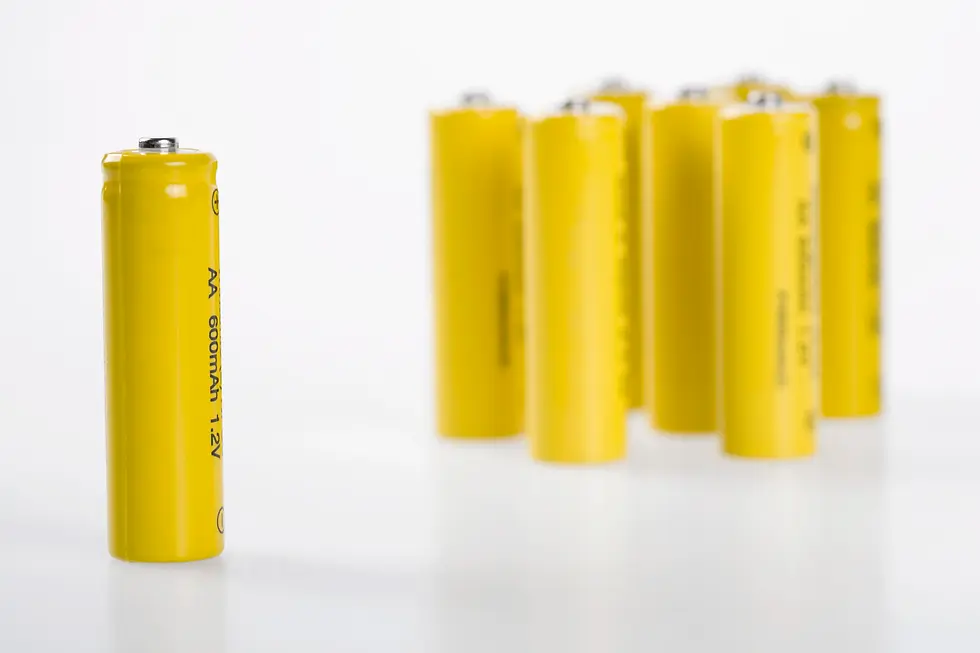
The rapid growth of lithium-ion technology has transformed modern life. From smartphones and laptops to electric vehicles and power tools, lithium-ion batteries power essential devices across industries. However, as adoption increases, so does the responsibility of properly disposing of lithium ion battery systems at the end of their lifecycle.
Improper disposal is not just an environmental concern—it is a serious safety risk. Lithium-ion batteries contain highly reactive components that can cause fires, explosions, and the release of hazardous gases if mishandled. As electrification continues to accelerate globally, understanding the correct procedures for disposing of lithium ion battery systems has become more critical than ever.
This comprehensive guide explores why proper disposal matters, who is responsible, how to safely dispose of small and large batteries, the challenges of recycling, and how responsible disposal benefits both businesses and the environment.
Why Disposing of Lithium Ion Battery Properly Is So Important
Lithium-ion batteries are compact bundles of energy with relatively long service lives. They are typically identifiable by markings such as “Li” or “Li-Ion.” While efficient and powerful, their internal chemistry can make them dangerous if mishandled.
The Risk of Thermal Runaway
One of the most serious hazards associated with lithium-ion batteries is thermal runaway.
Thermal runaway can occur due to:
Short circuits
Mechanical damage
Excessive heat
Improper handling
When thermal runaway occurs, the battery overheats uncontrollably. This can result in:
Fires
Explosions
Release of toxic and carcinogenic gases
Burning lithium-ion batteries can emit harmful substances that pose risks to human health and the environment. This is why special safety rules must be observed during storage, handling, and particularly when disposing of lithium ion battery systems.
Growing Demand Means Growing Waste
The importance of proper disposal is increasing significantly due to the rise in electric mobility. For example, projections indicate that electric vehicles will represent a dramatically larger share of passenger vehicles by 2030 compared to 2020. This growth will inevitably lead to higher volumes of end-of-life lithium-ion batteries.
Without structured disposal and recycling processes, environmental damage and safety incidents could increase dramatically.
Who Is Responsible for Disposing of Lithium Ion Battery Systems?
Responsibility for disposing of lithium ion battery products depends on several factors:
The type of battery
The source (household or commercial)
Applicable federal and state regulations
Responsibility of Individual Consumers
For household batteries, responsibility typically falls on the individual consumer. Consumers must:
Use designated drop-off locations
Participate in municipal household hazardous waste programs
Follow local waste management guidelines
Retailers and municipalities may offer take-back programs, but participation requirements vary by location.
Responsibility of Businesses and Institutions
Businesses and institutions that generate lithium battery waste have additional responsibilities.
These entities must:
Classify batteries according to flammability and reactivity
Manage them under appropriate waste categories
Follow specific handling and disposal protocols
Removable lithium-ion batteries commonly found in electronics are often treated as universal waste, meaning they are subject to streamlined handling requirements.
Non-removable batteries integrated into devices such as laptops typically require disposal alongside the entire device through certified electronics recyclers.
Federal and State Regulatory Framework
Federal environmental authorities provide baseline regulations for handling lithium batteries. However, states may enforce stricter rules that override federal minimum standards.
Because of this layered regulatory environment, understanding local compliance requirements is essential when disposing of lithium ion battery materials.
How to Properly Approach Disposing of Lithium Ion Battery Units
Correct disposal procedures vary depending on battery size and application.
Disposing of Small Device Batteries
Small lithium-ion batteries are commonly found in:
Watches
Toys
Remote controls
Mobile phones
Small electronics
Follow these steps:
1. Identify the Battery Type
Check the battery label or device manual for markings such as:
AA
AAA
CR2032
Li-ion
Lithium-ion batteries require special handling due to fire risk.
2. Locate Authorized Drop-Off Locations
Consumers should:
Use battery take-back programs
Visit designated household hazardous waste facilities
Consult local waste management services
Online resources can assist in identifying appropriate collection sites.
3. Prepare Batteries for Disposal
Preparation is essential to reduce fire risk:
Do not mix battery types in the same container
Keep batteries in original packaging if possible
Place batteries in separate plastic bags
Cover positive and negative terminals with electrical tape
Taping terminals prevents short circuits during transport and storage.
4. Never Dispose in Household Trash
Lithium-ion batteries must never be:
Placed in regular trash
Disposed of in standard recycling bins
Improper disposal can lead to environmental contamination and fires at waste processing facilities.
Disposing of Large Lithium-Ion Batteries
Large lithium-ion batteries are commonly used in:
Electric bicycles
Electric vehicles
Industrial equipment
These batteries require more structured handling.
1. Identify Battery Type and Manufacturer
Check the vehicle or equipment manual for battery specifications and manufacturer details.
2. Explore Manufacturer Take-Back Programs
Many manufacturers provide structured take-back programs for end-of-life batteries. These programs may include:
Transportation guidance
Approved packaging
Specialized return instructions
3. Locate Certified Battery Recyclers
If a take-back program is unavailable, use certified recycling facilities that are authorized to handle large lithium-ion batteries.
4. Never Disassemble the Battery
Attempting to open or dismantle a lithium-ion battery is extremely dangerous. Internal components can:
Release hazardous materials
Cause short circuits
Trigger fires
5. Comply With Transportation Regulations
Large lithium-ion batteries may be classified as hazardous materials. Transporting them may require:
Special labeling
Specific packaging standards
Documentation and regulatory compliance
Failure to comply with transport rules can lead to legal penalties and safety hazards.
Additional Best Practices for Disposing of Lithium Ion Battery Products
Beyond structured disposal processes, several best practices can reduce environmental impact.
Use Rechargeable Batteries
Choosing rechargeable batteries reduces overall waste generation.
Avoid Over-Purchasing
Purchase only the number of batteries required to minimize unused stock that may eventually require disposal.
Spread Awareness
Encourage responsible battery disposal practices within communities and workplaces.
Understand Cost Considerations
Battery recycling may involve associated costs. These costs may arise through:
Manufacturer programs
Certified recycling facilities
Understanding potential fees allows for proper planning.
The Challenges of Lithium-Ion Battery Recycling
While disposing of lithium ion battery systems safely is critical, recycling presents additional complexities.
Low Global Recycling Rates
Currently, global lithium-ion battery recycling rates remain low. Reports indicate that only a small percentage of the world’s lithium-ion batteries are recycled annually.
This gap presents both an environmental challenge and an opportunity for improvement.
Complex Battery Structure
Lithium-ion batteries contain tightly bonded materials and complex structures. Disassembly is technically challenging due to:
Mixed material compositions
Variation between manufacturers
Differing battery chemistries
Each battery may contain different material ratios depending on its intended application.
Valuable Materials in Lithium-Ion Batteries
A central objective of recycling is recovering valuable raw materials from battery electrodes.
Key recoverable materials include:
Lithium
Manganese
Cobalt
Nickel
Graphite
Recovering these materials reduces dependence on raw material extraction, which often has significant environmental impacts.
Recycling Beyond Electrodes
Lithium-ion batteries also contain:
Aluminum
Copper
Plastics
Mixed materials
Metals such as aluminum and copper are relatively easier to recover. Plastics and composite materials present greater technical challenges.
Safe Storage Before Disposal
Safe storage prior to disposal is a crucial element of responsible battery management.
Lithium-ion batteries were introduced in the early 1990s and have largely replaced older battery technologies due to their compact design and high performance. However, improper storage before disposal increases the risk of:
Overheating
Mechanical damage
Short circuits
Proper interim storage reduces the likelihood of fire incidents and protects personnel and facilities.
Charging Risks and Legal Responsibilities
Improper charging is another major cause of lithium battery incidents.
In some regions, lithium batteries are associated with thousands of fire incidents annually. Many of these cases are linked to:
Incorrect charging procedures
Use of incompatible chargers
Failure to monitor charging
Legal disputes often arise when insurers determine that negligence occurred during charging.
Understanding these risks is part of responsible lifecycle management, including safe disposal planning.
Frequently Asked Questions About Disposing of Lithium Ion Battery Systems
Where Can Lithium-Ion Batteries Be Disposed of?
Lithium-ion batteries should be taken to authorized drop-off locations, certified recyclers, or manufacturer take-back programs.
What If the Battery Is Permanently Connected to a Device?
If the battery is integrated into the device, the entire device typically must be recycled through certified electronics recycling programs.
What Materials Can Be Recovered?
Recyclable materials include:
Lithium
Manganese
Cobalt
Nickel
Graphite
Aluminum
Copper
Efficient Disposal – A Win for the Environment and Industry
Properly disposing of lithium ion battery systems supports a sustainable and future-oriented economic cycle.
Benefits include:
Reduced environmental contamination
Lower raw material extraction
Improved resource efficiency
Enhanced safety compliance
Recycling valuable materials allows them to re-enter the production cycle, reducing ecological impact and strengthening long-term sustainability.
As lithium-ion batteries continue to power modern innovation, responsible end-of-life management becomes essential. Every stakeholder—consumers, businesses, and regulators—plays a role in ensuring that lithium-ion battery disposal is safe, compliant, and environmentally responsible.


Comments